
Ceiling Fan Installation Tips That Solve More Than Airflow Issues
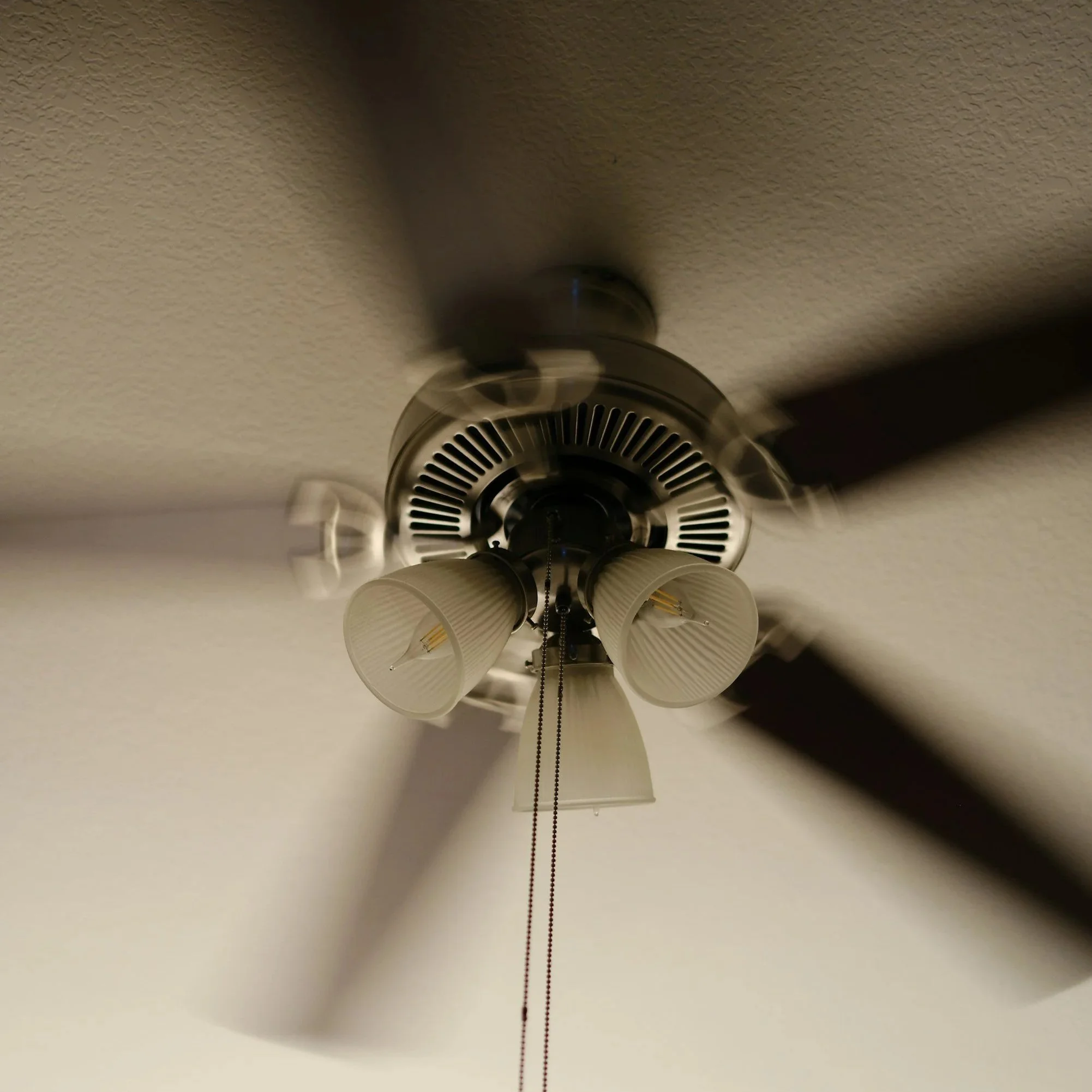
A ceiling fan is also one of the few electrical installations that simultaneously saves money, enhances style, and improves livability.
Why Ceiling Fans Deserve More Attention
Ceiling fans may appear to be simple spinning fixtures, but they carry far more influence in a home than many people realize. They create comfort in the summer, help with heating in the winter, and make rooms feel complete with their design. A ceiling fan is also one of the few electrical installations that simultaneously saves money, enhances style, and improves livability. Residential electrical services emphasize proper installation because a fan is not just about airflow; it is about turning a room into a space that feels balanced and functional all year round.
The Hidden Benefits Of Ceiling Fans
Most homeowners think of ceiling fans as warm-weather allies, but their benefits go well beyond cooling. Fans redistribute air in ways that cut down on energy costs. By rotating blades counterclockwise in the summer, fans push cool air down and create a refreshing effect without lowering the thermostat. In winter, a switch to clockwise rotation gently circulates warm air trapped near the ceiling, reducing the load on heating systems. Ceiling fans also help control humidity, prevent stagnant air, and even double as lighting fixtures. Electrical installations that include ceiling fans turn a single upgrade into a multi-tasking solution.
Choosing The Right Size And Location
Fan size and placement make or break the effectiveness of an installation. A fan that is too small will not circulate enough air, while one that is oversized may overwhelm the room. Electricians measure the space to determine blade span and height requirements. Ceilings higher than nine feet often call for downrods to lower the fan to an optimal level. In compact rooms, low-profile models work better. Placement at the center of the room usually works best, though outdoor patios and kitchens can benefit from multiple fans positioned strategically. Residential electrical services design installations that strike the perfect balance between performance and visual appeal.
Why Professional Installation Matters
Hanging a ceiling fan involves far more than screwing blades into a motor. Unlike light fixtures, ceiling fans are heavier and require stronger support. A reinforced, fan-rated electrical box is necessary to prevent sagging or falling. Wiring connections must match breaker capacity, and grounding has to be done correctly. Improperly wired fans can lead to flickering lights, malfunctioning controls, or dangerous overheating. Professional residential electrical services handle these technical details while ensuring fans comply with building codes. That level of expertise keeps fans safe, secure, and long-lasting.
How Ceiling Fans Support Energy Efficiency
The energy-saving benefits of ceiling fans are one of the main reasons electricians encourage their installation. A typical fan uses a fraction of the electricity an air conditioning unit consumes. By circulating air more effectively, fans allow thermostats to be set a few degrees higher in summer or lower in winter, shaving costs off energy bills without sacrificing comfort. Modern ceiling fans equipped with energy-efficient motors, LED light kits, and programmable controls add even more value. Efficient electrical installations make homes more sustainable while protecting wallets.
Common Mistakes With Ceiling Fan Installation
When ceiling fans are installed incorrectly, they create more problems than they solve. Fans mounted to standard light boxes instead of reinforced boxes eventually loosen and wobble. Blades installed unevenly cause vibration and noise. Wiring mistakes may short out the fan motor or prevent lights from working. Improper placement, such as positioning a fan too close to walls, reduces airflow and increases wear on the motor. Professional electricians avoid these issues by following strict installation steps, checking the balance carefully, and testing the system thoroughly. Skilled installation prevents fans from becoming a source of annoyance or hazard.
The Role Of Ceiling Fans In Home Design
Ceiling fans have come a long way from plain white models with generic blades. They now come in rustic wood finishes, sleek metallic designs, and even minimalist styles that blend seamlessly with décor. Some fans function as statement pieces, drawing attention to vaulted ceilings or open-concept living spaces. Others provide subtle functionality in bedrooms or offices. Fans with integrated lighting create dual-purpose fixtures, while those without lighting focus purely on design. Residential electrical services help homeowners choose fans that complement their décor while providing the airflow they need. Proper installation turns ceiling fans into features that enhance both function and style.
How Outdoor Spaces Benefit From Ceiling Fans
Outdoor living areas are some of the most overlooked spaces when it comes to comfort. Porches, patios, and sunrooms often trap heat and humidity. Outdoor-rated ceiling fans solve that problem by circulating air while withstanding exposure to moisture and fluctuating temperatures. Damp-rated fans work well in covered areas, while wet-rated fans are designed for spaces fully exposed to the elements. They also help keep mosquitoes and other pests at bay by creating a steady breeze. Professional electrical installations in outdoor spaces include protective wiring and weatherproof controls, ensuring both performance and durability.
Why Balancing Blades Matters
A ceiling fan that wobbles or rattles quickly turns from helpful to frustrating. Blades that are even slightly uneven can throw off balance, creating noise and reducing airflow. Over time, imbalance also stresses the motor and mounting hardware. Professional electricians use balancing tools and careful measurement to align blades precisely. They also check for warping or weight differences that cause problems. Balanced fans run quietly, improve energy efficiency, and extend the life of the unit. When blades are properly aligned, the only thing noticed is comfort, not an irritating rattle overhead.
Integrating Fans With Modern Controls
Technology has expanded the role of ceiling fans beyond simple pull chains. Many models now include remote controls, wall-mounted dimmers, or smart home integration. With the right setup, homeowners can control fan speed, lighting, and even blade direction from a smartphone or through voice assistants. Professional electricians install these systems seamlessly, making sure wiring and controls communicate correctly. Smart ceiling fans also allow for scheduling, so airflow adjusts automatically during peak hours. Electrical installations with modern controls give families convenience and efficiency wrapped into a stylish package.
Maintenance Tips For Long-Lasting Performance
Ceiling fans may not demand much attention, but a little maintenance helps them run smoothly for years. Dusting blades keeps airflow strong and prevents uneven buildup that can cause wobbling. Electricians recommend periodic inspections to check for loose screws, worn bearings, or frayed wiring. Professional residential electrical services often include fan maintenance during routine inspections, tightening mounts, and verifying electrical connections. By keeping fans clean, balanced, and properly secured, homeowners enjoy reliable comfort without frequent repairs or replacements.
How Ceiling Fans Fit Into A Complete Electrical Plan
A ceiling fan does not stand alone in a home’s electrical system. It works alongside outlets, lighting, and HVAC units as part of a coordinated network. Fans must be installed on circuits capable of handling their load, and sometimes require dedicated lines for optimal performance. Professional electricians evaluate the system to confirm that the fan integrates properly. Pairing fans with other upgrades, such as recessed lighting, surge protection, or panel improvements, creates a complete plan for comfort and safety. Residential electrical services view ceiling fans as one important piece in the broader picture of efficient living.
Why Homeowners Trust Professionals For Ceiling Fan Installations
Trust comes from knowing the job is handled safely, correctly, and with attention to detail. Licensed electricians bring all three qualities to ceiling fan installations. They install fixtures securely, connect wiring properly, and explain how the fan’s controls work. Homeowners also value guidance on choosing the right fan size, features, and design. By relying on professionals, families gain more than just improved airflow. They gain comfort, convenience, energy savings, and style in one installation. Electrical installations performed by residential electrical services transform ceiling fans from simple hardware into upgrades that enhance both daily living and long-term safety.
Lake Shore Electrical offers electrical installations, electrical repairs, and electrical remodeling services to homeowners in Vancouver, Washington. Our licensed electricians have several years of experience and have completed thousands of electrical projects. We have the tools and expertise to handle any electrical work. Call today to book an appointment.
