
How to Prepare a Home for a Power Outage
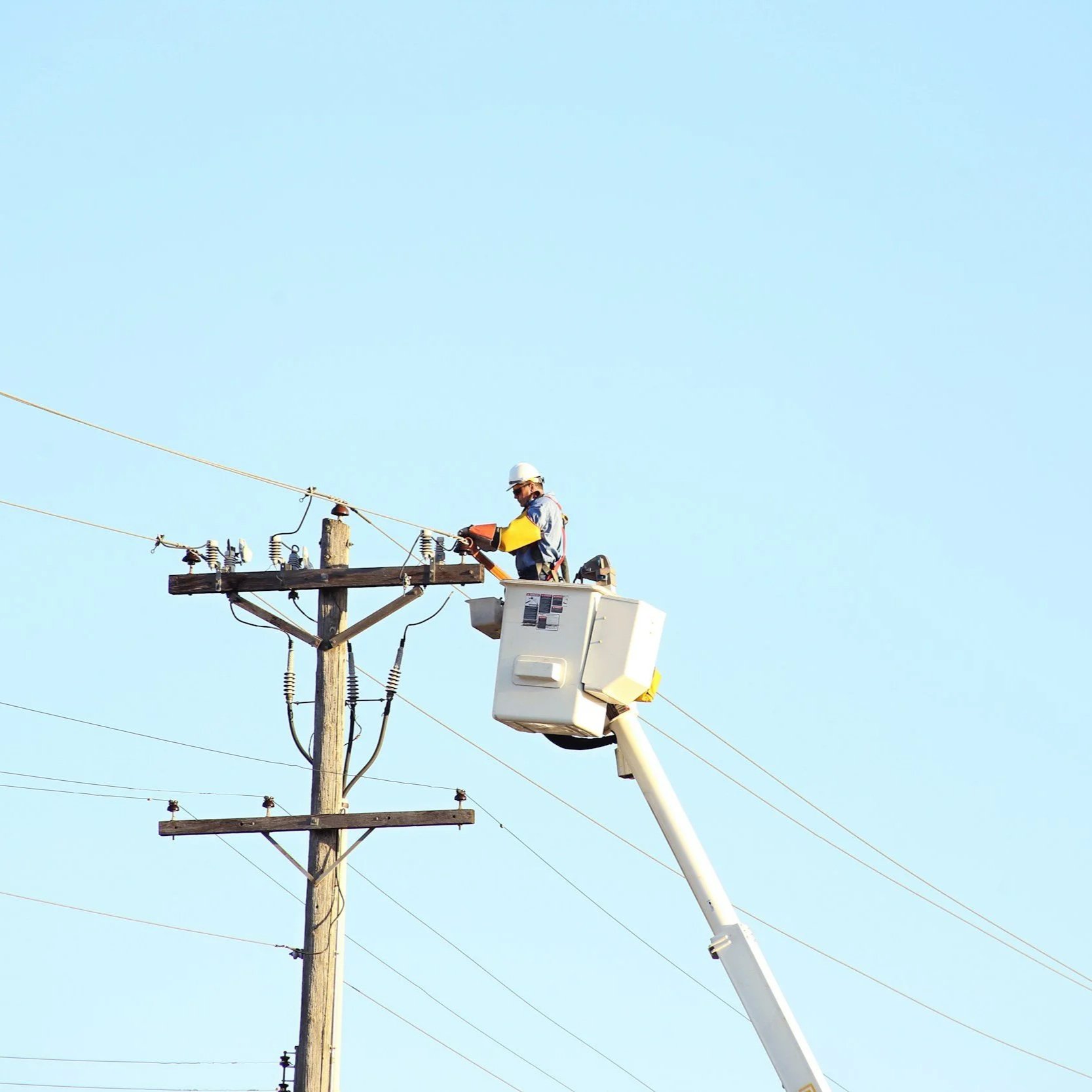
Taking proactive steps to prepare a home for a power outage can minimize the impact, and essential functions can be maintained until power is restored.
Power outages can occur unexpectedly and may last for hours or even days. Being prepared makes a significant difference in maintaining safety and comfort during these disruptions. Taking proactive steps to prepare a home for a power outage can minimize the impact, and essential functions can be maintained until power is restored. Here are some key measures to consider when preparing a home for a power outage.
Investing in a Backup Power Source
One of the most effective ways to prepare for a power outage is by investing in a backup power source. Generators are popular, allowing vital appliances and systems to power during an outage. Portable generators are suitable for minor needs, while standby generators are more powerful and can automatically kick in when the power goes out. Working with an electrician to install and set up a generator guarantees it meets the specific power needs of the home and complies with safety regulations.
Stocking Up on Emergency Supplies
A well-stocked supply of emergency items is crucial for managing a power outage. Essential supplies include non-perishable food, bottled water, batteries, flashlights, and a battery-powered or hand-crank radio. A first-aid kit, necessary medications, and personal hygiene items should also be readily available. Storing these supplies in an accessible location confirms they are on hand when needed, reducing stress and inconvenience during an outage.
Installing Surge Protectors
Power surges are a common risk when electricity is restored after an outage. These surges can impair electronic devices and appliances, leading to costly repairs or replacements. Installing surge protectors throughout the home protects valuable electronics. Whole-house surge protectors, installed by an electrician at the electrical panel, offer comprehensive protection, while individual surge protector strips can be used for specific devices. This investment helps protect electronics from the unpredictable effects of power surges.
Creating a Lighting Plan
When the power goes out, lighting becomes a primary concern. Flashlights, lanterns, and battery-powered LED lights are essential for illuminating during an outage. It is important to have enough lighting sources for each room, including spare batteries. Solar-powered or hand-crank lights are also useful as they do not rely on batteries. Placing these lighting tools in easily accessible locations verifies they are ready to use when needed. Avoiding candles is recommended, as they pose a fire hazard, especially during prolonged outages.
Maintaining Communication
Staying up-to-date and connected during a power outage is critical, particularly in severe weather conditions or emergency situations. Keeping a battery-powered or hand-crank radio allows for receiving important updates and weather alerts. Charging mobile phones and other communication devices before an expected outage is advisable. A solar charger or portable power bank is suggested to maintain communication during extended outages. Contacting local utilities and emergency services is essential for reporting outages or accessing assistance.
Securing Important Documents and Valuables
Power outages can sometimes lead to other emergencies, such as flooding or fire, mainly if they are caused by severe weather. Keeping indispensable documents and valuables in a secure, waterproof, and fireproof safe protects them from potential damage. It is also advisable to back up important digital files and store them securely. These precautions warrant that critical information and possessions are protected, regardless of the situation.
Planning for Special Needs
Homes with individuals who have special needs, such as medical equipment that relies on electricity, require additional preparation. It is essential to have a plan in place to maintain these critical functions during an outage. This plan may incorporate a backup power source, such as a generator, specifically dedicated to the equipment or arrange alternative accommodations where power is guaranteed. Consulting with an electrician to assess the power needs and implement appropriate solutions is vital for the safety and well-being of those with special needs.
Regular Maintenance and Preparation
Ongoing maintenance and preparation are fundamental to being ready for a power outage at any time. Regularly testing and servicing generators, checking and replacing batteries in emergency devices, and keeping emergency supplies up to date are essential. Annually reviewing and updating the power outage plan certifies it remains effective and accounts for any changes in the home or the needs of its occupants. Staying proactive with these preparations helps reduce the impact of power outages and keeps the household safe and comfortable.
Preparing a home for a power outage involves careful planning and proactive measures. From investing in a backup power source to maintaining communication and protecting critical systems, these steps help minimize disruption and maintain safety during an outage. Working with an electrician to assess the home’s electrical needs and implement appropriate solutions is an important part of the preparation process. By taking these actions, a home can be well-equipped to handle power outages effectively.
Lake Shore Electrical specializes in providing specialty services for home and business owners in Vancouver, Washington. We have over a decade of experience offering electric gate wiring, electric fence wiring, sauna & steam room electrical setup, and RV outlet installation. Emergency electrical services available. Call today!
