
What Home Theater Installation Means for Smart Home Integration
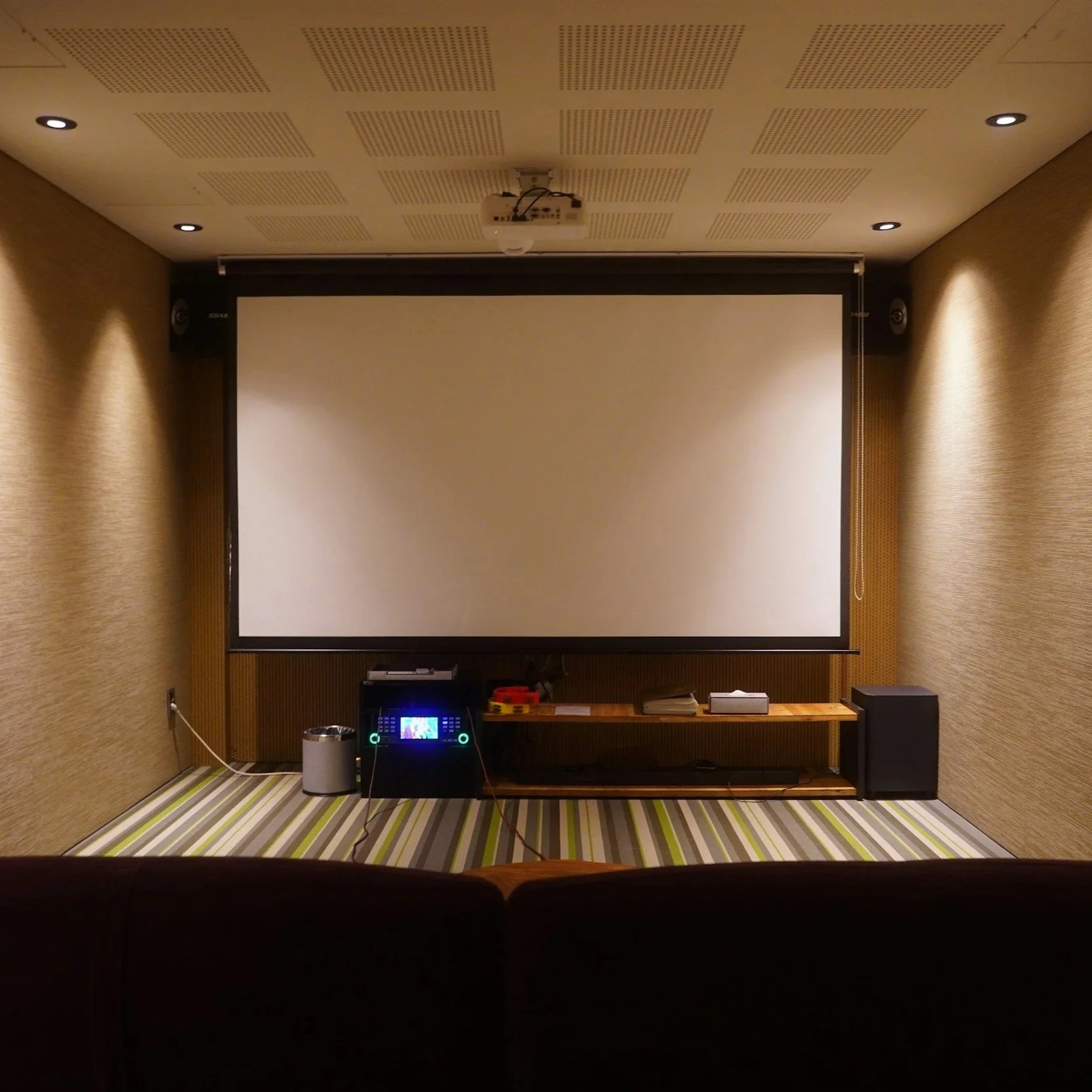
A well-installed home theater doesn't just elevate movie nights—it syncs seamlessly with lighting, sound, climate control, and even voice-activated systems, all while disappearing into the background until it's showtime.
Home theaters have grown far beyond a big screen and a few speakers. They've evolved into fully connected entertainment zones that play a starring role in smart home integration. A well-installed home theater doesn't just elevate movie nights—it syncs seamlessly with lighting, sound, climate control, and even voice-activated systems, all while disappearing into the background until it's showtime.
When installed with forethought and paired with modern electrical services, a home theater becomes a command center of comfort and convenience, blending entertainment with automation to make life a little smoother and a lot more fun.
Beyond Wires And Wall Mounts
Home theater installation goes well beyond plugging in a soundbar. Done right, it starts with the foundation—strategically placed wiring, smart power management, and clean connections that keep the space clutter-free and efficient. From in-wall speakers to hidden cable runs, the setup should feel as polished as the final picture on the screen.
Working with skilled professionals ensures the wiring doesn't just serve today's tech but leaves room for upgrades down the road. Whether adding a gaming console, streaming box, or smart projector, a thoughtful layout avoids the mess of running new cords every time something changes.
A Natural Fit For Smart Homes
Home theaters naturally mesh with other smart home elements. Lighting scenes that dim at the push of a button, blinds that drop with a voice command, and thermostats that adjust for cozy viewing all work together without skipping a beat. Even the AV equipment can power on and sync automatically with programmed routines.
The theater space becomes more than a room—it becomes a part of the home's ecosystem. Everything communicates, responds, and adapts to the user's preferences without needing multiple remotes or complicated setups. The smarter the home, the more impressive the theater experience becomes.
Customized Control At Every Level
Modern home theater systems allow for multiple control options—remotes, touchscreens, smartphones, or voice commands. With a smart hub or app integration, homeowners can cue up a movie, dim the lights, adjust volume, and close the shades—all without leaving the couch or switching devices.
That level of control adds comfort but also practicality. Settings can be saved for different users, devices can be accessed remotely, and everything can be monitored in real-time. For families, tech enthusiasts, or anyone who appreciates a little luxury in their living room, integrated control becomes a daily delight.
Sound That Surrounds Without The Clutter
A great home theater setup balances clean visuals with immersive sound. Smart speaker systems sync wirelessly throughout the home, allowing surround sound without a tangle of cords or wall damage. For audiophiles or casual viewers alike, the audio experience becomes crisp, balanced, and tailored to the space.
That sound doesn't need to stop at the theater walls, either. With connected systems, music or movie audio can follow someone through the house, shifting automatically from room to room or syncing with outdoor zones for entertaining.
Energy-Efficient Entertainment
Home theaters might look luxurious, but smart integration actually helps improve energy efficiency. Lighting, climate, and electronics can all be programmed to power down when not in use, or to activate only during peak viewing times. Motion sensors can automatically switch lights on and off, while smart power strips eliminate phantom loads from idle equipment.
Everything works together to create a comfortable space without wasting power. The result is a theater that looks and sounds amazing but runs with surprising efficiency—especially when powered by upgraded electrical services designed for smart system demands.
Sleek Aesthetics With Hidden Power
Smart home design favors clean lines and hidden tech. Home theaters reflect that trend beautifully. Screens lower from the ceiling, projectors disappear into cabinets, and speakers vanish behind acoustic panels. Meanwhile, all the necessary power, data, and audio lines are tucked behind the scenes.
It takes experienced electricians and AV pros to make it happen without turning walls into Swiss cheese. But when it's done right, the theater feels like a natural extension of the home, not a tech showroom. Everything works exactly when it should and vanishes when it's time to show off the space.
Ready For Tomorrow's Technology
One of the perks of integrating a home theater into a smart home is how easily it adapts to new tech. Whether adding a new media server, upgrading to 8K, or syncing with a voice assistant, the system has room to grow. A solid foundation of wiring, power, and connectivity keeps upgrades simple and future-focused.
Smart integration means fewer headaches down the road. It's easier to update software than it is to run new wires through drywall. Homes built with expansion in mind save money, time, and effort when the next wave of gadgets rolls in.
Installation That Supports Seamless Living
While a DIY setup might work for a weekend, a full home theater installation with smart integration deserves the expertise of electrical and AV professionals. From managing power loads to syncing devices across platforms, it takes precision and planning to make sure everything plays nicely together.
Professionals know how to map out circuits, balance power distribution, and avoid interference between connected systems. They also make sure everything is code-compliant, safe, and designed for years of smooth operation—without extra wires or constant troubleshooting.
Entertainment That Fits The Flow Of Life
Smart home integration turns home theaters into more than just entertainment zones. They become part of the home's rhythm—adjusting to the time of day, personal habits, and even mood. Whether it's morning cartoons, afternoon gaming, or late-night binge-watching, the space responds naturally to the needs of the moment.
It's all part of creating a home that feels more intuitive, more comfortable, and more connected. And when the lights dim, the screen flickers to life, and the sound wraps around the room, it all feels effortless—just the way smart living should.
Trust Lake Shore Electrical for professional electrical installations, electrical repairs, electrical remodeling, outdoor and landscape electrical, EV car charging station installation, and smart home upgrades in Vancouver, Washington. We also specialize in providing commercial electrician solutions. Call now for a free estimate.
