
Circuit Breaker Replacement Tips That Keep Homes From Going Dark at the Worst Time
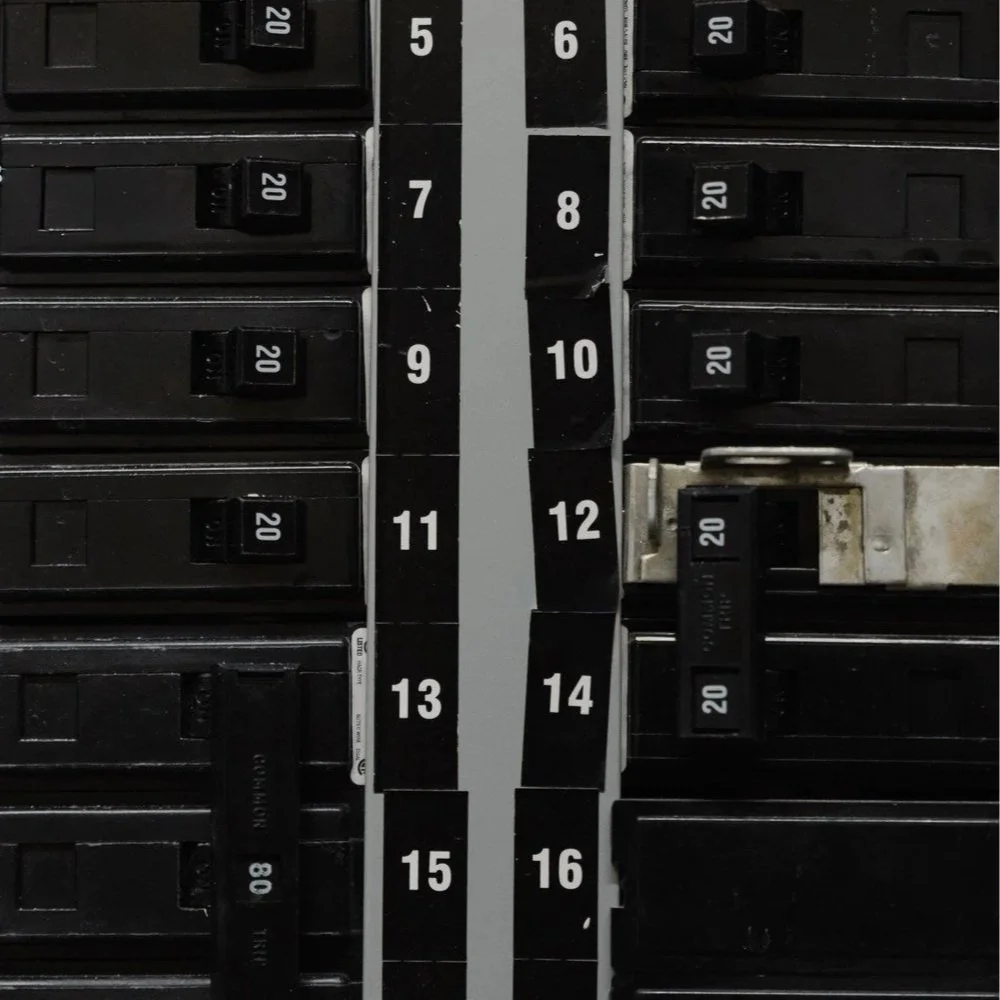
Residential electrical services treat breaker replacement as a vital part of electrical repairs and upgrades because a reliable breaker is the backbone of a safe system.
Circuit breakers may look like small switches tucked away in a panel, but they shoulder one of the most important jobs in the house. They constantly monitor electrical flow and step in if something goes wrong. If a circuit pulls more current than it should, the breaker trips, cutting off power before wires overheat. That simple mechanism prevents fires, protects appliances, and safeguards the entire home. Residential electrical services treat breaker replacement as a vital part of electrical repairs and upgrades because a reliable breaker is the backbone of a safe system.
When A Circuit Breaker Needs Replacement
Breakers are not designed to last forever, and they do give hints when they are reaching the end of their usefulness. A breaker that trips constantly, refuses to reset, or feels warm to the touch is a strong candidate for replacement. Other warning signs include a burning smell, visible scorch marks, or buzzing sounds near the panel. In older homes, the panel may contain outdated or recalled breakers that no longer meet safety standards. Residential electrical repairs and upgrades often start with breaker replacement once these warning signs are detected.
The Dangers Of Ignoring Failing Breakers
Ignoring a breaker that keeps tripping is like ignoring a smoke alarm that won’t stop beeping. It may feel easier to dismiss the noise, but the risk only grows. Failing breakers can allow wires to overheat, cause sparks inside walls, and damage expensive electronics. Some homeowners push breakers back on repeatedly or swap them out for higher-rated units, but those shortcuts bypass the protection that the breakers are designed to provide. Residential electrical services address the problem properly by replacing the failing unit with the correct size and type, restoring the system’s ability to protect the home.
How Professionals Replace Breakers Safely
Replacing a breaker is more complex than sliding out the old one and snapping in a new part. Professionals begin by safely shutting off power, inspecting wiring for damage, and confirming the issue lies with the breaker. Once confirmed, the old breaker is removed, a new breaker of the proper size and type is installed, and the wiring is reconnected to the exact torque specifications. Testing follows to confirm that the breaker trips when it should and resets correctly. Professional electricians also take the time to label circuits clearly, making future maintenance or emergency shutoffs easier. Electrical repairs and upgrades handled this way give homeowners both peace of mind and a safer home.
Why Proper Breaker Sizing Is Critical
Each breaker is rated for a specific amperage, and that rating must match the circuit it protects. A breaker that is too small trips constantly, creating frustration. A breaker that is too large may not trip at all, allowing wires to overheat. Wire gauge, load calculations, and household demand all factor into choosing the correct size. Professionals take these elements into account, especially when modern appliances or new technology increase electrical usage. Residential electrical services focus on correct sizing during breaker replacement to maintain balance and prevent hidden risks.
The Role Of Modern Breakers In Home Safety
Breaker technology has improved significantly in recent decades. Standard breakers still protect against overloads, but advanced options provide additional layers of safety. Arc fault circuit interrupters (AFCI) detect dangerous arcs inside walls, preventing hidden sparks that could start fires. Ground fault circuit interrupters (GFCI) cut power instantly if they detect a shock hazard, which makes them essential in kitchens, bathrooms, and outdoor areas. Upgrading to these modern breaker types during replacement boosts safety across the home. Residential electrical services often recommend these upgrades when replacing outdated breakers, adding protection where it matters most.
Myths About Circuit Breaker Replacement
Many myths surround breaker replacement, leading homeowners to underestimate the importance of professional service. One myth is that all tripping issues are solved by replacing the breaker, when in reality, the problem might be overloaded circuits or faulty wiring. Another myth is that breakers never wear out, but like any mechanical device, they weaken over time. Some believe any breaker can fit into any panel, but compatibility is key for safe performance. Professional electricians debunk these myths by evaluating the system as a whole, not just swapping out parts, and making sure replacements are both correct and safe.
How Breaker Replacement Fits Into A Bigger Electrical Strategy
A circuit breaker is just one component of the larger electrical system. When professionals replace breakers, they often inspect the panel for corrosion, check for loose connections, and test circuits for balance. Breaker replacement sometimes highlights other issues, such as overloaded circuits that could benefit from dedicated lines or the addition of a subpanel. Residential electrical services approach breaker replacement as part of a larger strategy, focusing not just on the immediate problem but also on improving safety, efficiency, and long-term reliability.
When Breaker Replacement Leads To Panel Upgrades
In some cases, breaker replacement reveals a bigger issue: the panel itself is outdated, undersized, or full. Replacing one breaker in a failing panel only delays the inevitable. Modern homes with HVAC systems, electric vehicle chargers, or advanced appliances often require panels capable of handling higher demand. Professional electricians may recommend upgrading the panel entirely to create space for more circuits and modern breaker types. Breaker replacement becomes the starting point for these upgrades, helping homeowners prepare their systems for today’s power-hungry lifestyle.
Cost Considerations For Breaker Replacement
The cost of breaker replacement depends on several factors, including the type of breaker, whether additional wiring repairs are needed, and the condition of the panel. Standard breaker replacement is often straightforward and affordable, while upgrading to AFCI or GFCI models costs more but adds valuable protection. If a full panel upgrade is required, the investment is larger but provides long-term benefits in safety and capacity. Residential electrical services provide clear estimates so homeowners understand their options and choose solutions that balance budget and reliability.
Tips From Professionals On Maintaining Breaker Health
Breakers do not require daily attention, but routine inspections extend their lifespan and catch problems early. Professionals recommend panel inspections every few years, especially after major renovations or the addition of large appliances. Listening for buzzing, feeling for unusual heat, and watching for repeated trips are simple ways homeowners can spot trouble. Keeping the area around the panel clear also helps electricians access it easily during service. Residential electrical services include breaker checks in maintenance visits, confirming circuits are balanced, and replacements are only made when truly needed.
How Breaker Replacement Improves Everyday Life
Replacing a faulty breaker may not seem glamorous, but the benefits are felt immediately. No more lights flickering when the microwave runs. No more worrying about the air conditioner tripping circuits on hot days. A healthy breaker keeps power flowing smoothly, reducing stress and making everyday routines more reliable. Families appreciate the peace of mind knowing their system is not just functional but also safe. Electrical repairs and upgrades may be invisible once completed, but their impact is felt every time the lights stay on and the home keeps running without interruption.
Why Homeowners Trust Licensed Electricians For Breaker Replacement
Homeowners turn to licensed electricians for breaker replacement because they bring a combination of technical skill, safety knowledge, and communication. They size breakers correctly, install them securely, and explain how the system functions. They also help homeowners understand when a simple replacement is enough and when a larger upgrade is worth considering. Residential electrical services treat breaker replacement as more than a mechanical swap; it is an opportunity to strengthen the entire electrical system. Homeowners trust professionals because the job is done right, the home stays safe, and power keeps flowing when it is needed most.
Lake Shore Electrical in Vancouver, Washington offers comprehensive residential electrical services, including electrical installations, electrical repairs, electrical remodeling, outdoor and landscape electrical, and EV car charging station installation services. We are licensed and bonded with over a decade of experience providing specialized electrical solutions. Homeowners in the region count on us to ensure smooth operation of their electrical systems. Call now to schedule an appointment.
